


Solar Panel Aluminum Frame Removing Machine
1. What Is a Solar Panel Aluminum Frame Removing Machine?
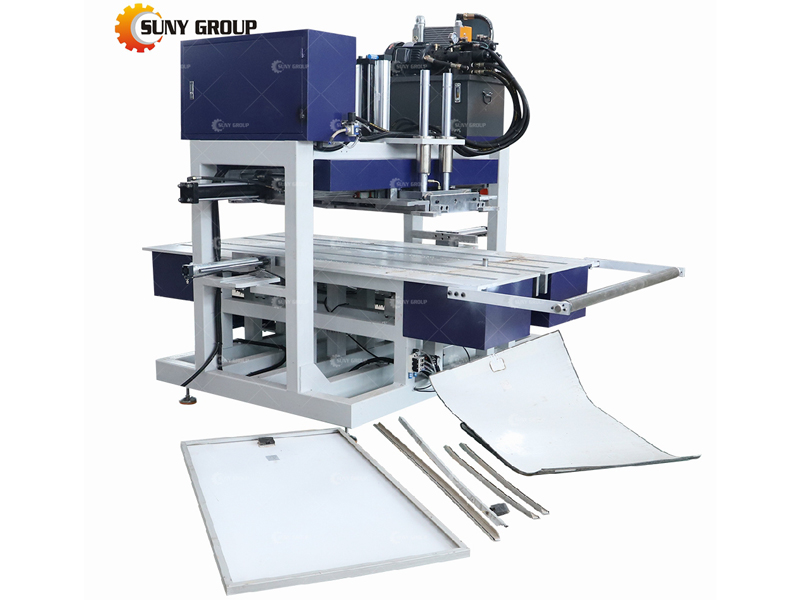
Solar Panel Aluminum Frame Removing Machine is specialized equipment designed to separate aluminum frames from end-of-life photovoltaic (PV) panels. As the number of retired solar panels continues to grow, efficient dismantling technology is becoming increasingly important for solar panel recycling plants and waste management companies.
The machine removes the aluminum frame from a solar module before subsequent recycling processes. Compared with manual dismantling, mechanical frame removal can improve processing efficiency, reduce labor requirements, and support more consistent material recovery.
2. Why Is Aluminum Frame Removal Important in Solar Panel Recycling?
Aluminum frames provide structural support for solar panels, but they also represent a valuable recyclable material. Removing them at the beginning of the recycling process offers several advantages:
- Recover valuable aluminum: Separated aluminum frames can be collected and sent to metal recycling facilities for further processing.
- Reduce labor costs: Mechanical dismantling minimizes repetitive manual work and improves operational efficiency.
- Improve recycling efficiency: Removing the frame makes it easier to handle the remaining photovoltaic module during subsequent treatment.
- Support resource conservation: Recycling aluminum reduces the demand for primary raw materials and helps promote a circular economy.
- Improve process organization: Separate collection of aluminum and other panel components simplifies material sorting and management.
For recycling businesses, an efficient solar panel frame removal machine can help increase the recovery value of discarded PV modules.
3. How Does a Solar Panel Aluminum Frame Removing Machine Work?
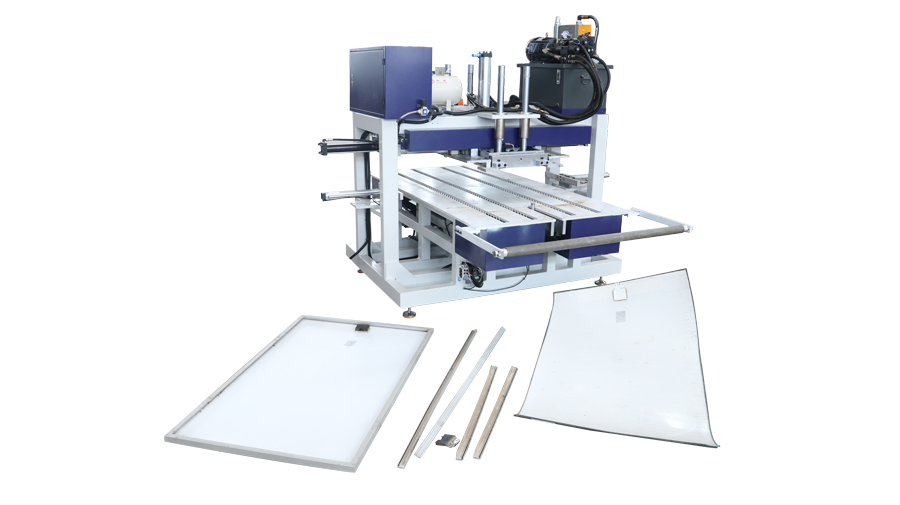
The working principle of a solar panel aluminum frame removing machine generally involves mechanical positioning, frame separation, and material collection. The exact mechanism varies according to the equipment design and panel structure.
The typical operating steps include:
- Panel feeding: Operators place the waste solar panel onto the feeding platform and position it according to the machine’s requirements.
- Panel positioning: The equipment secures the module to maintain stability during the dismantling process.
- Frame separation: Mechanical pushing, clamping, cutting, or other separation mechanisms loosen and remove the aluminum frame from the panel edges.
- Material collection: The detached aluminum frame is collected separately for storage and further recycling.
- Panel transfer: The remaining module is transferred to the next processing stage.
Properly configured equipment helps improve dismantling consistency while reducing the risk of damaging the glass and other valuable components.
4. What Is the Solar Panel Aluminum Frame Removal Process?
A complete photovoltaic panel recycling process typically includes several stages. Aluminum frame removal is an important preliminary step rather than the entire recycling operation.
The main process usually involves:
- Inspection and classification: Check the condition, dimensions, and structure of incoming solar panels.
- Aluminum frame removal: Separate the aluminum frame using dedicated dismantling equipment.
- Junction box and cable removal: Remove electrical components and cables for separate processing.
- Glass separation: Use suitable mechanical or other treatment methods to separate glass from the remaining module structure.
- Further material recovery: Process the remaining materials to recover silicon-containing fractions, metals, and other recyclable components as appropriate.
The specific process depends on panel construction, recycling objectives, and the configuration of the recycling line.
5. How Does the Machine Fit into a Complete PV Recycling Line?
A solar panel aluminum frame removing machine can operate as a standalone unit or as part of an integrated PV recycling line. In a complete system, it is commonly positioned near the beginning of the process.
After frame removal, the panels can move to junction box dismantling, cable separation, glass recovery, and subsequent material processing equipment. Conveyors and material collection systems can also be added to improve workflow and reduce manual handling.
Integrating frame removal equipment with downstream machinery helps recycling plants establish a more organized production process and handle larger quantities of end-of-life solar modules.
6. How to Choose the Right Solar Panel Aluminum Frame Removing Machine
Selecting suitable solar panel recycling equipment requires evaluating both technical performance and operating requirements. Buyers should consider the following factors:
- Processing capacity: Match the machine’s throughput to the expected volume of waste solar panels.
- Panel compatibility: Confirm that the equipment supports the dimensions, thicknesses, and frame structures of the panels being processed.
- Removal efficiency: Evaluate separation quality and the risk of damaging the glass or other recoverable materials.
- Automation level: Choose manual-assisted, semi-automatic, or automatic equipment according to labor availability and production targets.
- Maintenance and durability: Check the availability of replacement parts, ease of maintenance, and long-term operating costs.
- Recycling line integration: Ensure that the machine can connect efficiently with existing or planned downstream equipment.
Before purchasing, provide the supplier with panel specifications and expected daily processing volumes to obtain a suitable configuration.
Solar Panel Aluminum Frame Removing Machine plays an important role in modern photovoltaic recycling by separating valuable aluminum frames and preparing panels for further treatment. Understanding its working principle, recycling applications, and selection criteria helps businesses choose equipment that meets their production needs. When properly integrated into a complete PV recycling line, the machine can improve material recovery efficiency, reduce manual handling, and support more sustainable solar panel waste management.
Next: