


Solar Photovoltaic (PV) Panel Recycling Plant
The global demand for a Solar Photovoltaic (PV) Panel Recycling Plant is increasing as solar installations expand and older modules reach the end of their service life. China is expected to become the largest single source of solar panel waste, while the United States, Japan, India, and Germany are also important markets. According to IRENA and IEA-PVPS projections, Asia is expected to generate substantial cumulative PV waste, with Europe representing another major recycling market. Actual waste volumes depend on installation age, early equipment failures, repowering projects, and local recycling policies.
2. Why Should End-of-Life Solar Panels Be Recycled?
Most solar PV panels have an operating life of approximately 25–30 years, although some modules are removed earlier because of damage, declining performance, or solar farm upgrades. Improper disposal wastes valuable resources and may create environmental risks if damaged modules are not handled correctly.
Solar panel recycling helps reduce landfill disposal, recover reusable materials, conserve natural resources, and support a circular economy. It also helps solar farm operators, manufacturers, and waste management companies meet applicable waste management requirements. Recycling is especially important as the volume of retired modules is expected to rise significantly over the coming decades.
3. Economic and Environmental Value of Solar Panel Recycling
A solar PV panel recycling plant can recover several valuable materials, including:
- Glass: The largest material fraction in most conventional crystalline silicon panels, potentially reused in glass and other suitable applications.
- Aluminum: Mainly recovered from module frames and sold to metal recyclers.
- Copper: Obtained from cables, connectors, and other electrical components.
- Silicon: Recovered from cells through suitable processing and potentially refined for further industrial or photovoltaic applications.
- Silver and other metals: Present in smaller quantities and recoverable through specialized treatment processes.
- Plastics and encapsulants: Separated for suitable recycling or controlled treatment, depending on material quality and local regulations.
The economic benefits come from material sales, potential waste treatment fees, and reduced disposal costs. IRENA estimated that the global stock of recoverable materials from end-of-life PV panels could represent more than US$15 billion in value by 2050. However, actual profitability depends on feedstock volume, transportation, recovery rates, material purity, operating costs, and market prices.
From an environmental perspective, recycling reduces waste and helps conserve primary resources. Efficient separation and appropriate treatment of residues, dust, and process chemicals are essential to achieving these benefits.
4. How to Build a Solar Photovoltaic (PV) Panel Recycling Plant
Building a solar panel recycling plant requires careful planning, appropriate equipment, and a reliable supply of waste modules.
Step 1: Assess the feedstock. Determine the daily or annual processing capacity, panel types, module condition, and expected supply from solar farms, installers, and waste management companies.
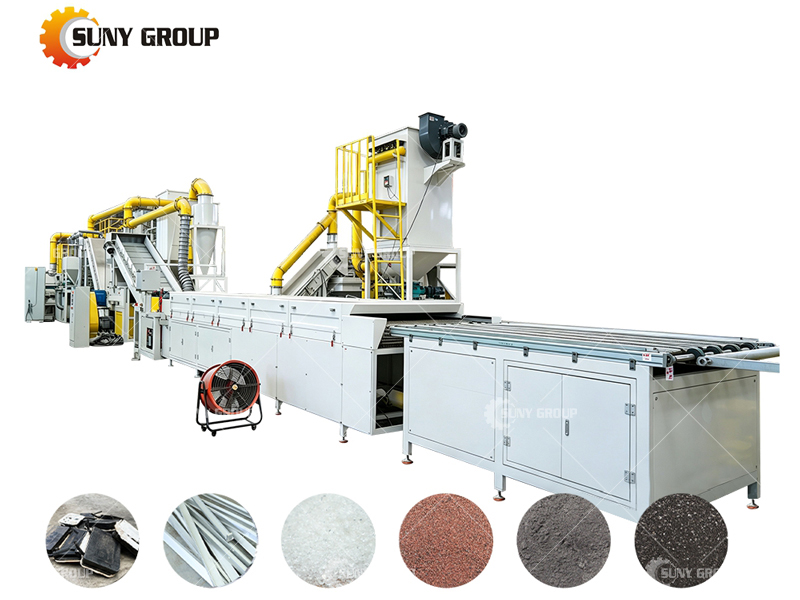
Step 2: Select the recycling process. A typical crystalline silicon panel recycling line may include inspection, frame removal, junction box and cable removal, glass separation, shredding, screening, and material separation. Advanced plants may add thermal, chemical, or other delamination processes to recover higher-value materials.
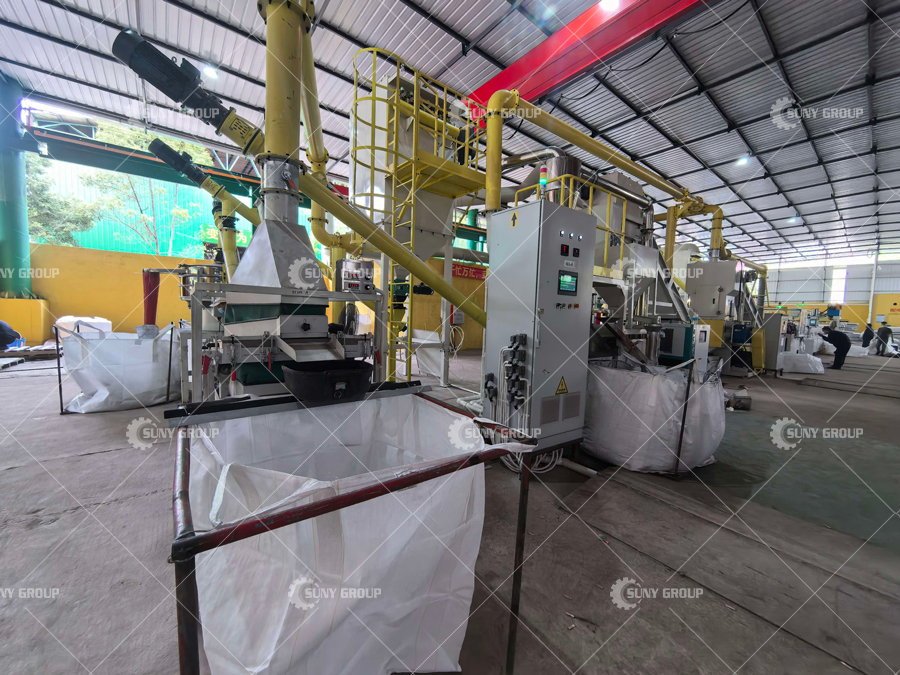
Step 3: Configure the equipment. Depending on the target products, the plant may require a frame dismantling machine, junction box remover, glass separator, shredder, vibrating screen, magnetic separator, eddy current separator, dust collection system, and downstream metal recovery equipment.
Step 4: Plan the factory layout. Provide adequate space for incoming panels, safe storage, processing equipment, finished products, and residue management. Install suitable fire protection, dust control, ventilation, and worker safety systems.
Step 5: Establish quality and environmental controls. Test recovered materials, manage wastewater and residues where applicable, and comply with local waste handling, environmental permitting, and occupational safety requirements.
5. How Much Does a Solar PV Panel Recycling Plant Cost?
The investment in a Solar Photovoltaic (PV) Panel Recycling Plant varies considerably depending on capacity, automation, recovery targets, and the required treatment technology. A basic mechanical line focused on frame, glass, and bulk material recovery generally requires less investment than a fully automated system designed for advanced delamination and high-purity material recovery.
The total project budget should include:
- Recycling machinery and auxiliary equipment.
- Installation, commissioning, and operator training.
- Factory construction or facility modifications.
- Dust collection, fire protection, and environmental systems.
- Electricity, labor, maintenance, and working capital.
There is no universal price for every plant. Buyers should request a customized quotation based on hourly capacity, panel composition, automation level, expected output purity, and installation requirements. Equipment-only quotations should not be confused with the total investment needed for a complete operating facility.
6. How Should Different Customers Choose a Recycling Plant Manufacturer?
Different customers should prioritize different plant configurations:
- Small recycling businesses: Choose a compact, semi-automatic line with manageable investment, straightforward operation, and room for future expansion.
- Solar panel recyclers with stable feedstock: Consider a continuous, higher-capacity line with automated dismantling and efficient glass and metal separation.
- Large solar farms and waste management companies: Prioritize processing throughput, safe handling, reliable operation, and the ability to manage large volumes of damaged or retired modules.
- Investors targeting high-value recovery: Evaluate advanced delamination and metal recovery technology, product purity, downstream refining requirements, and realistic market demand.
Before selecting a manufacturer, compare technical proposals, material recovery data, equipment durability, spare parts availability, installation support, and references from comparable projects. Ask for a clear process flow diagram, an itemized quotation, and a breakdown of included and excluded services.
Solar Photovoltaic (PV) Panel Recycling Plant helps turn retired solar modules into reusable resources while reducing waste and supporting a circular economy. Choosing the right capacity, recovery technology, and equipment supplier is essential for balancing investment, environmental performance, and long-term profitability.
Next: