


Machine for Recycling Solar Panels
Machine for recycling solar panels helps recover valuable resources from end-of-life photovoltaic (PV) modules while reducing waste disposal and environmental pollution. Most crystalline silicon solar panels contain glass, aluminum frames, copper cables, silicon cells, silver, plastic junction boxes, EVA encapsulant and polymer backsheets.
Among these materials, glass and aluminum account for a large proportion of the panel’s weight, while silver and copper offer additional value because of their material properties and industrial demand. Recovered glass can be used in glass products, insulation materials and construction applications. Aluminum can be remelted into new metal products, while copper and silver can enter metal refining and manufacturing industries. Silicon may also be recovered for further processing, depending on its purity. However, actual recovery value depends on panel type, separation quality and local market demand.
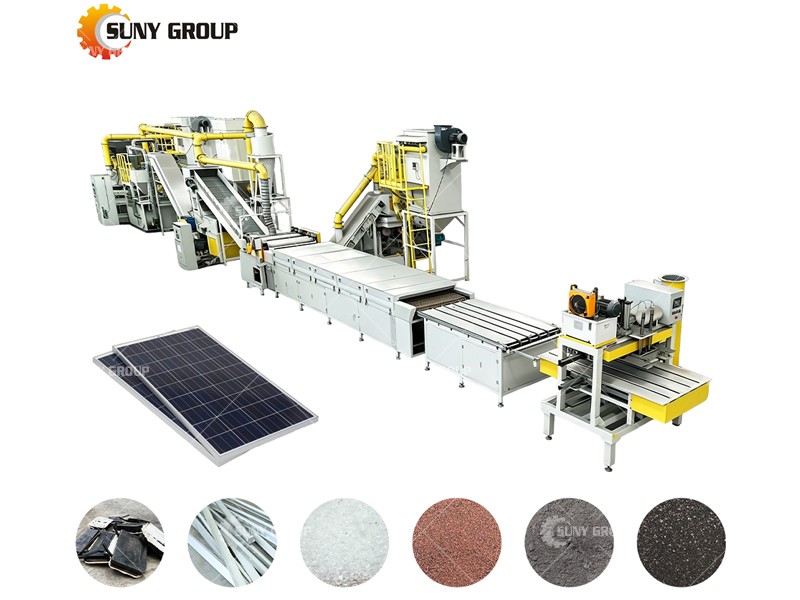
2. What Machines Are Used in Solar Panel Recycling?
A complete solar panel recycling machine line integrates several types of equipment to process waste panels efficiently. The main machines include:
- Frame Removal Machine: Removes aluminum frames for independent collection and recycling.
- Junction Box and Cable Removal Equipment: Separates electrical components and recovers accessible copper wiring.
- Glass Separation Machine: Separates glass from the laminated panel structure using suitable mechanical or thermal technology.
- Crusher or Shredder: Reduces the size of remaining panel materials to facilitate downstream separation.
- Vibrating Screen and Sorting System: Classifies crushed materials by size and supports the separation of glass, metals and other fractions.
- Advanced Recovery Equipment: Uses specialized thermal, chemical or refining processes when higher-purity silicon and precious metal recovery is required.
The equipment configuration should match the customer’s target capacity, incoming panel condition and required material purity.
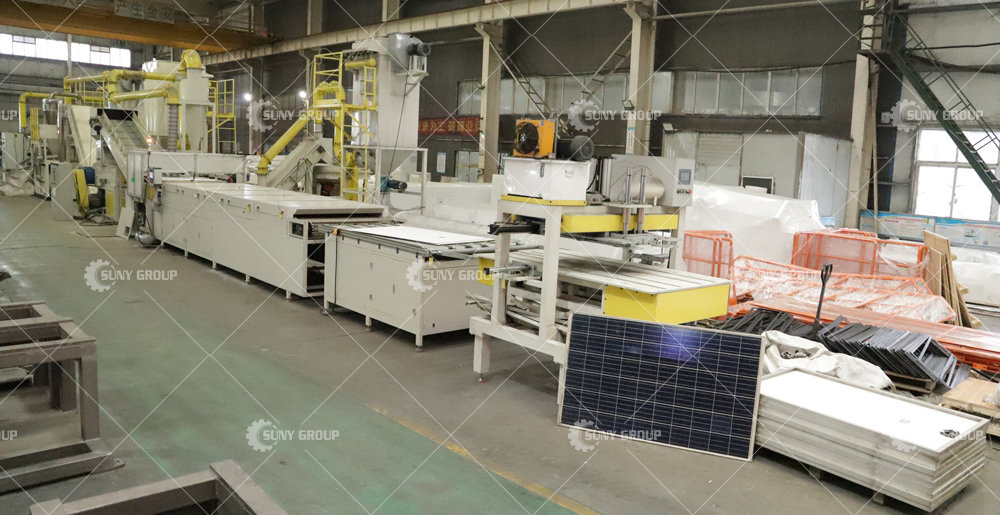
3. How Does the Solar Panel Recycling Process Work?
A typical solar panel recycling process follows several steps:
- Inspection and Feeding: Waste PV panels are inspected, classified and transported to the processing line.
- Mechanical Dismantling: The frame, junction box and accessible cables are removed to recover aluminum and copper.
- Lamination Separation: Specialized equipment separates the glass from the encapsulated solar cells and polymer layers.
- Crushing and Screening: Remaining materials are reduced in size and screened for more efficient separation.
- Material Sorting: Separation systems recover glass, metals and other recyclable fractions.
- Further Purification: Additional processing can recover silicon and silver from solar cells where technically and economically feasible.
Proper dust collection, safe material handling and wastewater treatment, where applicable, are important parts of an environmentally responsible recycling plant.
4. How to Build a Solar Panel Recycling Plant
Building a solar panel recycling plant requires careful planning. First, evaluate the local supply of retired PV panels, transportation costs and applicable waste management regulations. Next, determine the daily processing capacity and select a recycling technology suitable for crystalline silicon or thin-film modules.
Second, plan the facility layout, including storage, dismantling, processing, material collection and finished-product areas. Install appropriate ventilation, dust control, fire protection and worker safety systems. Finally, establish reliable suppliers of waste panels and buyers for recovered glass, aluminum, copper and other materials.
Working with an experienced solar panel recycling equipment manufacturer can help customize the production line, optimize material recovery and reduce unnecessary investment.
5. Why Can Solar Panel Recycling Generate Attractive Profits?
Solar panel recycling creates potential revenue from both recovered materials and waste treatment services. Aluminum, glass and copper can be sold to downstream recyclers, while silver and silicon may provide additional value when recovered at suitable purity levels. In some markets, recycling or disposal service fees can provide another source of income.
The profitability of a solar panel recycling business depends on several factors:
- Raw Material Supply: Stable access to sufficient waste panels helps maintain equipment utilization.
- Recovery Efficiency: Effective separation increases the quantity and quality of saleable materials.
- Operating Costs: Labor, electricity, transportation, maintenance and waste disposal affect margins.
- Market Access: Reliable buyers and competitive prices improve revenue stability.
- Plant Configuration: Appropriate automation and processing capacity help control costs.
A well-designed machine for recycling solar panels can turn retired PV modules into reusable resources and support a circular economy. Before investing, conduct a detailed feasibility study based on local panel supply, recovery yields, material prices and regulatory requirements to determine the plant’s realistic return on investment.
Next: