


Scrap PV Solar Panel Modules Processing Facility
1. Current Situation of Scrap PV Solar Panel Modules
With the rapid development of renewable energy, solar photovoltaic (PV) installations are expanding worldwide. However, solar panels have a limited service life, generally around 25–30 years. As early installations age, increasing numbers of damaged, inefficient, and end-of-life PV modules are entering the waste stream.
According to estimates cited by the International Renewable Energy Agency (IRENA), cumulative global solar PV waste could exceed 200 million tonnes by 2050 under certain scenarios. This creates both environmental challenges and opportunities for the solar panel recycling industry. Instead of sending discarded modules to landfills, a professional Scrap PV Solar Panel Modules Processing Facility can recover valuable materials and return them to the manufacturing supply chain.
Common sources of scrap PV panels include:
- Decommissioned solar power plants.
- Damaged panels caused by transportation or installation.
- Modules affected by hail, storms, or fire.
- Old panels replaced during solar power station upgrades.
- Defective panels from solar panel manufacturing factories.
2. Which PV Modules Have Recycling Value?
Different photovoltaic technologies contain different recoverable materials. The main types include:
1. Crystalline Silicon Solar Panels
These are the most widely used PV modules, including monocrystalline and polycrystalline solar panels. Their main components are tempered glass, aluminum frames, silicon cells, copper wires, silver, and polymer encapsulation materials such as EVA. They offer considerable recycling potential because of their high glass and aluminum content, as well as valuable silicon and metal fractions.
2. Thin-Film Solar Panels
Thin-film modules mainly include cadmium telluride (CdTe) and copper indium gallium selenide (CIGS) panels. They contain glass, semiconductor layers, and other metals. Although their structures differ from crystalline silicon modules, they also have recycling value. However, specialized separation and material recovery processes are required, particularly for handling potentially hazardous substances.
3. Damaged and End-of-Life Solar Panels
Cracked, broken, delaminated, and severely degraded modules can still contain recyclable glass, aluminum, copper, silicon, and other metals. Before recycling, functional modules should be inspected to determine whether they can be reused or refurbished.
3. What Equipment Is Required for a PV Solar Panel Recycling Facility?
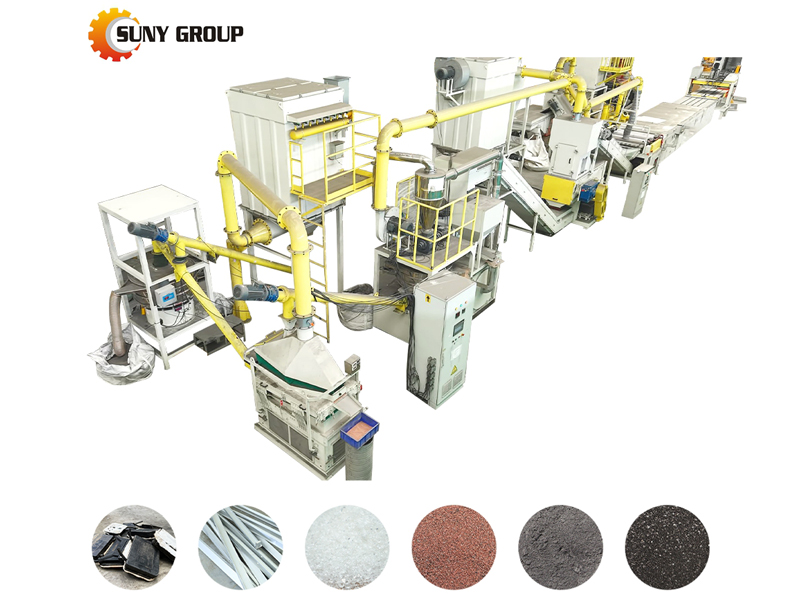
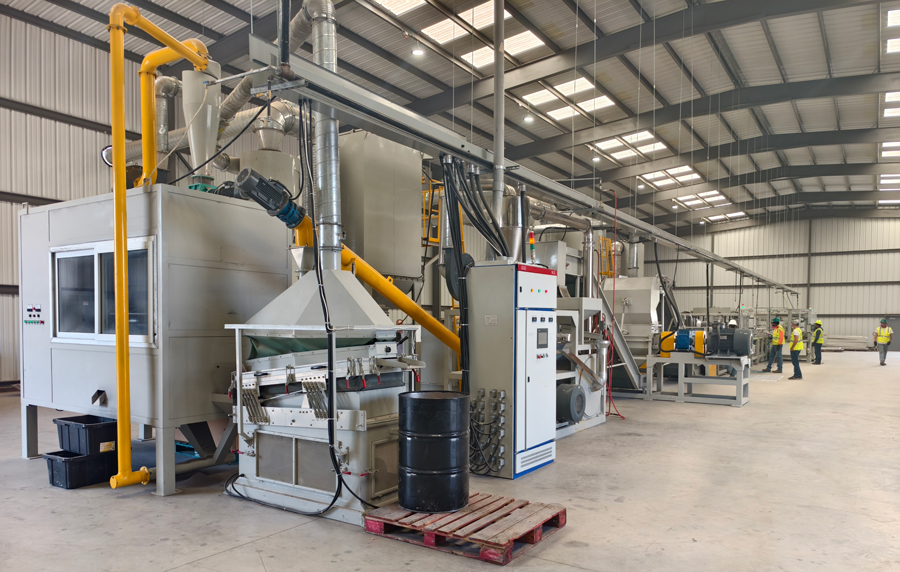
A complete solar panel recycling plant generally consists of the following equipment:
- Solar Panel Dismantling Machine: Removes aluminum frames, junction boxes, and cables.
- Glass Separation Machine: Separates the tempered glass from the remaining panel structure.
- Shredder or Crusher: Reduces the remaining materials into smaller particles.
- Granulator: Further processes crushed materials to improve separation efficiency.
- Magnetic Separator: Removes ferrous metals from the mixed material.
- Eddy Current Separator: Separates non-ferrous metals, such as aluminum and copper, from other materials.
- Vibrating Screen: Classifies materials according to particle size.
- Air Separator: Separates lightweight plastic and EVA materials from heavier fractions.
- Dust Collection System: Collects dust generated during dismantling, crushing, and screening.
For advanced facilities targeting high-purity silicon and silver recovery, additional thermal treatment and chemical separation systems can be incorporated.
4. Complete Scrap PV Solar Panel Recycling Process
A typical crystalline silicon solar panel recycling process includes several stages:
Step 1: Inspection and Sorting
Waste PV modules are inspected and classified according to their technology, size, condition, and composition. Reusable panels are separated from those requiring material recovery.
Step 2: Frame and Junction Box Removal
The aluminum frame, junction box, and external cables are removed using specialized dismantling equipment. Aluminum and copper are collected separately for recycling.
Step 3: Glass and Panel Separation
The tempered glass is separated from the laminated panel structure through mechanical or suitable thermal separation technology. The recovered glass can be processed for further industrial applications.
Step 4: Crushing and Granulation
The remaining materials, including silicon cells, EVA, and other components, are fed into shredders and granulators for size reduction. This process releases different material fractions and prepares them for subsequent separation.
Step 5: Material Sorting and Separation
The crushed materials pass through vibrating screens, magnetic separators, eddy current separators, and air separation systems. These machines separate metals, plastic, glass residues, and other lightweight materials according to their physical properties.
Step 6: Advanced Material Recovery
For facilities requiring higher-value recovery, additional thermal and chemical processes can be used to extract silicon and valuable metals such as silver from solar cell residues.
5. Final Products and Advantages of a Solar Panel Recycling Plant
After processing, a scrap PV solar panel recycling facility can produce several valuable materials:
- Aluminum: Recovered from panel frames for metal recycling.
- Glass: Recovered for glass manufacturing and other industrial applications.
- Copper: Collected from cables and electrical connections.
- Silicon: Recovered from solar cells for further processing.
- Silver and Other Metals: Extracted through advanced refining technologies.
- Plastic and EVA: Recovered as lightweight material fractions for appropriate recycling or treatment.
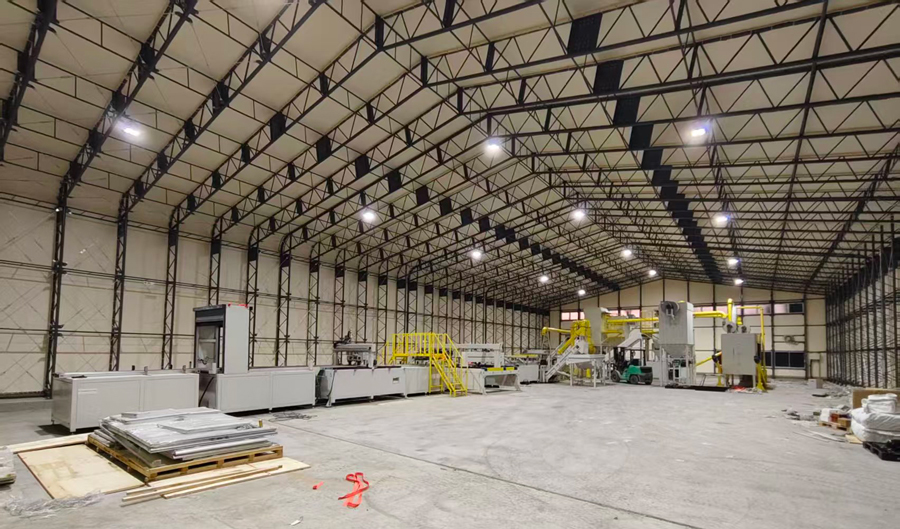
Establishing a professional PV solar panel recycling facility offers several advantages, including reduced landfill waste, improved resource utilization, recovery of valuable raw materials, and lower dependence on virgin resources.
As the global solar industry continues to expand, the demand for efficient end-of-life PV module management will increase. Investing in Scrap PV Solar Panel Modules Processing Facility provides an effective solution for handling different types of waste solar panels. With customized dismantling, crushing, separation, and material recovery equipment, recyclers can transform discarded PV modules into reusable resources while supporting a more sustainable solar energy industry.
Next: