


PV Solar Panel Recycling Solution
The demand for photovoltaic (PV) solar energy has grown rapidly over the past two decades. However, as the first generation of solar installations reaches the end of its 25–30 year lifespan, PV solar panel waste is increasing sharply worldwide. A professional PV solar panel recycling solution is now essential to manage this emerging waste stream and recover valuable materials in a sustainable way.
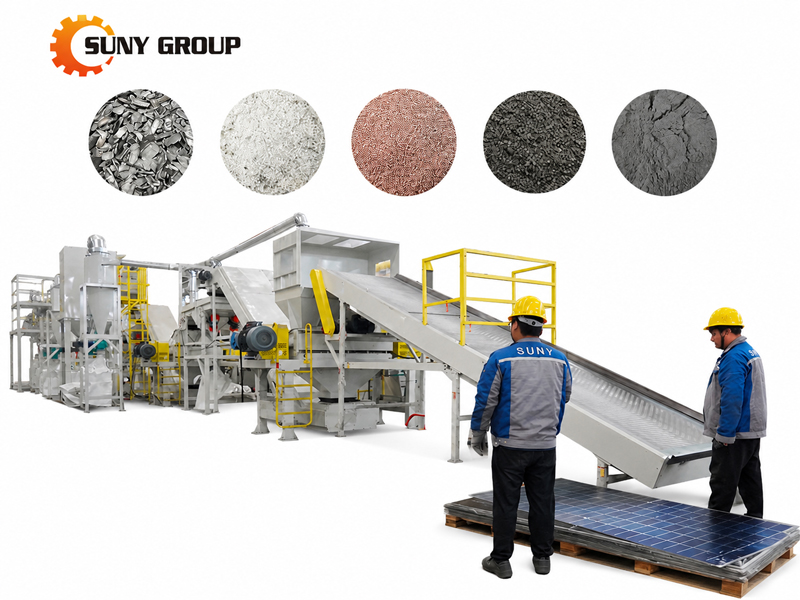
Why Waste Solar Panels Are Increasing
Several key factors are driving the rise in discarded solar panels:
- Early PV Installations Reaching End-of-Life
Large-scale solar farms installed in the 2000s are now aging and losing efficiency. - Technology Upgrades
New panels are more efficient and cheaper, encouraging replacement before full lifespan ends. - Policy Incentives and Decommissioning Projects
Governments are pushing renewable upgrades, leading to bulk replacement of older PV systems. - Extreme Weather Damage
Hail, storms, and heat stress also increase panel breakage and disposal rates.
As a result, global PV waste is expected to reach millions of tons within the next decade.
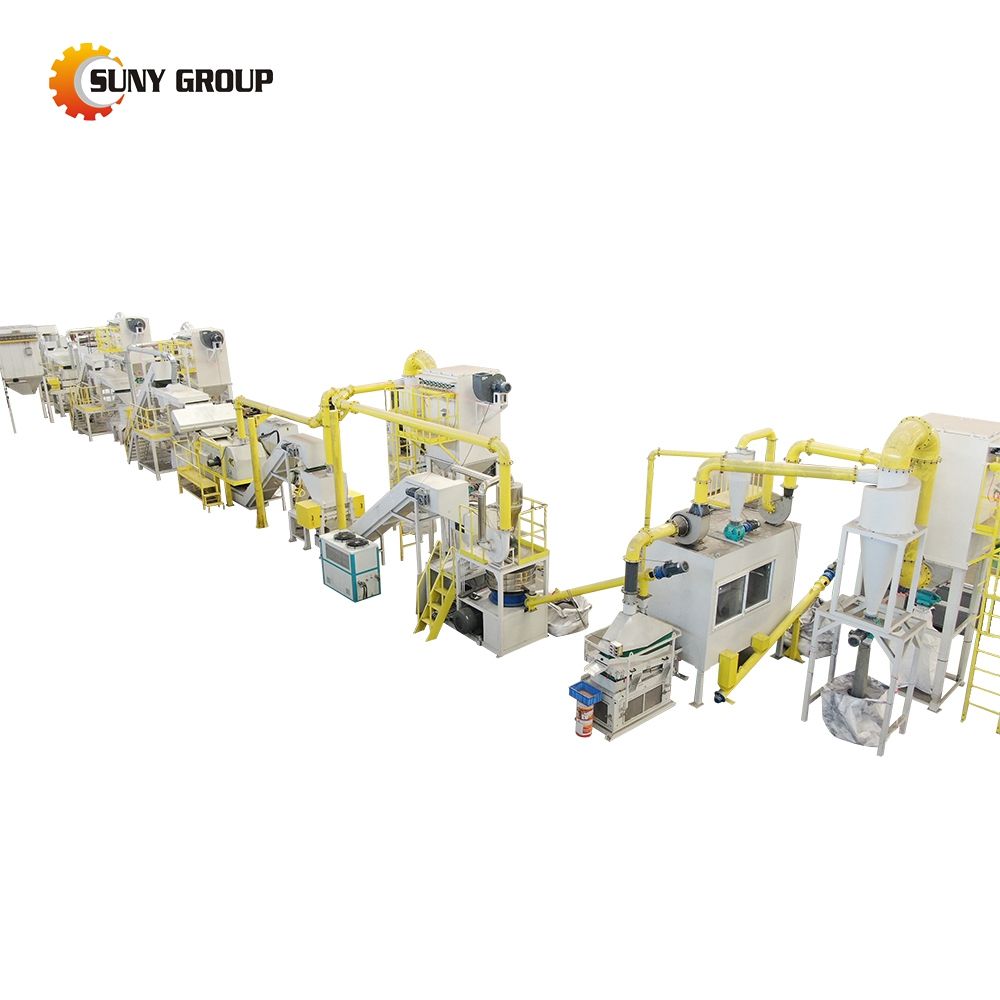
PV Solar Panel Recycling Methods Overview
A complete PV recycling system usually includes collection, dismantling, crushing, separation, and refining. The main technologies include:
1. Mechanical Recycling (Most Common)
Panels are dismantled, crushed, and separated using shredders and sorting systems.
Advantages:
- Low cost and mature technology
- High processing capacity
- Suitable for large-scale plants
Disadvantages:
- Lower purity of recovered materials
- Limited recovery of high-value silicon and silver
2. Thermal Treatment
Panels are heated to remove EVA (encapsulant) and separate glass and metals.
Advantages:
- Efficient separation of layers
- Higher recovery of metals
Disadvantages:
- High energy consumption
- Potential emission control requirements
3. Chemical Recycling
Uses chemical solvents or leaching to extract high-purity silicon, silver, and rare materials.
Advantages:
- Highest material recovery purity
- Valuable for high-end reuse
Disadvantages:
- Expensive process
- Requires strict chemical handling and wastewater treatment
Recovered Materials and Their Applications
PV solar panel recycling can recover multiple valuable resources:
1. Glass (70–80% of panel weight)
- Used in new construction glass, fiberglass, and insulation materials
2. Aluminum Frame
- Recycled into automotive parts, construction materials, and new aluminum products
3. Silicon Wafer
- Reused in new PV cells or semiconductor manufacturing (after refining)
4. Silver (from conductive paste)
- Used in electronics, circuit boards, and high-tech components
5. Copper Wiring
- Recycled into electrical cables and industrial conductors
6. Plastics (EVA/backsheet)
- Converted into fuel oil, plastic granules, or energy recovery
Benefits of PV Recycling Solutions
- Reduces environmental pollution and landfill pressure
- Recovers valuable metals and reduces mining demand
- Supports circular economy in renewable energy sector
- Creates new revenue streams from waste materials
A reliable PV solar panel recycling solution is becoming essential as global solar waste continues to grow. While mechanical, thermal, and chemical methods each have advantages and limitations, integrated recycling plants offer the best long-term solution. By efficiently recovering glass, aluminum, silicon, and precious metals, PV recycling not only reduces environmental impact but also supports sustainable resource utilization for the future energy industry.