


Line for Recycle Solar Panels
With the rapid growth of renewable energy, the demand for a line for recycle solar panels is increasing significantly. As more photovoltaic modules reach the end of their service life, efficient recycling solutions are essential to manage waste and recover valuable materials. A well-designed line for recycle solar panels not only supports environmental protection but also creates strong economic opportunities for recycling businesses.
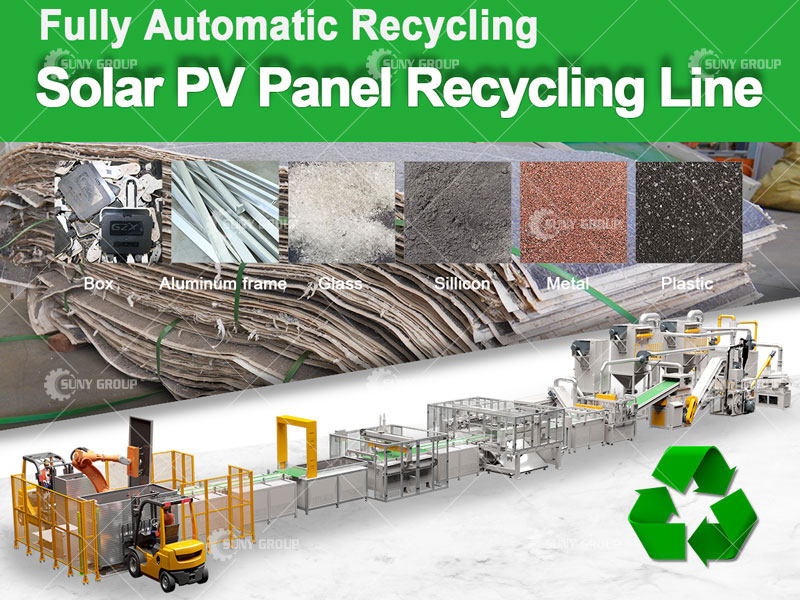
1. What Is a Line for Recycle Solar Panels
A line for recycle solar panels is a complete industrial system designed to process discarded photovoltaic panels. It integrates multiple machines to dismantle, crush, and separate different materials efficiently. This type of production line is widely used in recycling plants to handle large volumes of solar panel waste.
The system focuses on maximizing recovery rates while minimizing environmental impact. With automated control and advanced separation technologies, a line for recycle solar panels ensures high productivity and consistent output quality.
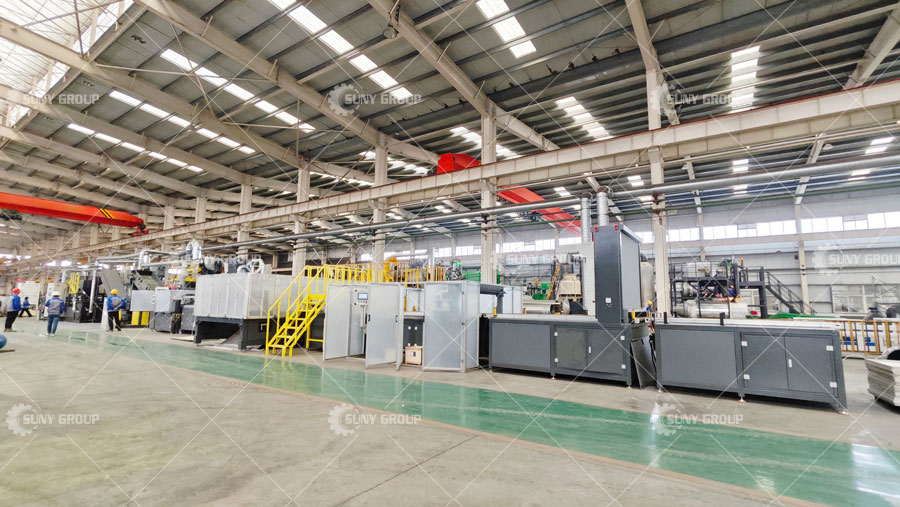
2. Main Equipment in a Line for Recycle Solar Panels
A typical line for recycle solar panels includes several key machines that work together seamlessly:
- Dismantling Machine: Removes aluminum frames and junction boxes
- Glass Removal Equipment: Separates tempered glass from panels
- Shredder or Crusher: Reduces panel size for further processing
- Magnetic Separator: Extracts ferrous metals
- Airflow Separator: Separates light and heavy materials
- Electrostatic Separator: Recovers fine metals such as copper and silver
Each piece of equipment plays a crucial role in improving recovery efficiency and ensuring smooth operation of the entire line.
3. Working Process of a Line for Recycle Solar Panels
The operation of a line for recycle solar panels follows a structured and efficient process:
- Pre-treatment: Removal of frames, cables, and junction boxes
- Glass Separation: Detaching the front glass layer
- Crushing and Shredding: Breaking panels into smaller particles
- Sorting and Separation: Using magnetic, airflow, and electrostatic systems
- Material Collection: Collecting separated materials for reuse
This step-by-step process ensures high recovery rates and reduces material loss during recycling.
4. Materials Recovered by a Line for Recycle Solar Panels
A line for recycle solar panels is capable of recovering multiple valuable materials:
- Glass: Makes up the majority of the panel and can be reused
- Aluminum: Highly recyclable and widely used in manufacturing
- Silicon: Can be refined and reused in photovoltaic production
- Copper: Extracted from internal wiring
- Silver: A high-value material used in electronic components
These recovered materials provide strong economic value and reduce the need for raw resource extraction.
5. Investment Cost of a Line for Recycle Solar Panels
Investing in a line for recycle solar panels requires initial capital for equipment, installation, and operation. However, the long-term benefits are substantial due to the growing volume of solar panel waste and the high value of recovered materials.
Key investment advantages include:
- Continuous supply of recyclable materials
- Revenue from selling recovered metals
- Reduced disposal and landfill costs
- Compliance with environmental regulations
With proper planning and equipment selection, businesses can achieve a stable return on investment and long-term profitability.
A modern line for recycle solar panels is an essential solution for managing photovoltaic waste efficiently. By combining advanced equipment, a well-structured process, and valuable material recovery, this system offers both environmental and economic benefits. As the solar industry continues to expand, investing in a line for recycle solar panels is a strategic move for companies seeking sustainable growth and competitive advantage.