


Unit for Recycling PV Modules
Unit for recycling PV modules plays a crucial role in processing the rapidly increasing volume of end-of-life solar panels worldwide. As solar installations continue to expand, efficient and automated recycling units are necessary to recover high-value materials, reduce environmental impact, and support the circular economy. This article provides a detailed overview of the system structure, workflow, environmental features, and economic advantages of a complete PV module recycling unit.
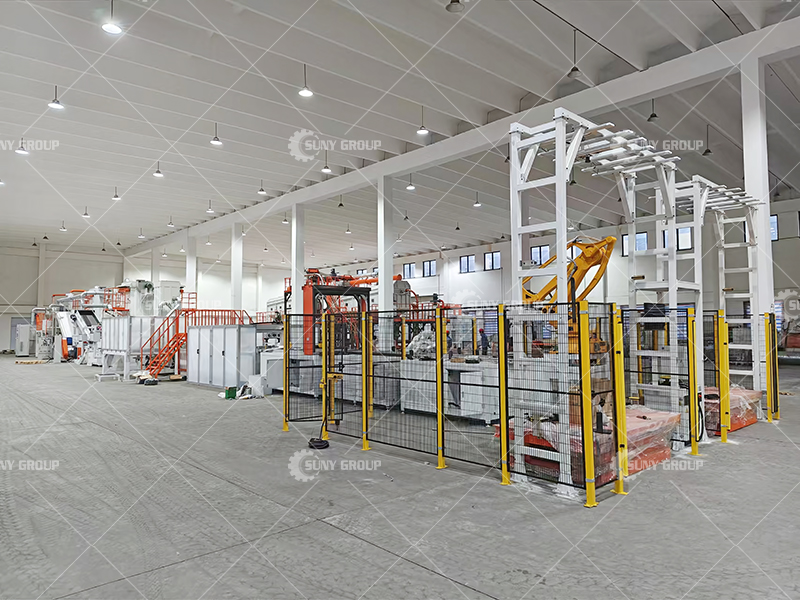
1. Overview of the Unit for Recycling PV Modules
A modern unit for recycling PV modules is an integrated system designed to dismantle, crush, separate, and recover materials from crystalline silicon solar panels. The unit typically includes pre-treatment modules, mechanical processing systems, and advanced material recovery technologies. It is engineered to handle various panel types, including single-glass and double-glass PV modules, while maintaining high safety standards and minimal energy consumption.
2. Key Components and Technical Configuration
The efficiency of a PV recycling system depends on the quality of its core components. A standard unit includes:
-
Automatic frame removal machine
-
Junction-box detaching system
-
Primary and fine crushing equipment
-
Magnetic and eddy current separators
-
Dust collection and filtration systems
-
PLC-based automation control
Each component is designed to operate in a continuous flow, ensuring stable processing capacity and high material recovery rates.
3. PV Module Dismantling and Pre-Treatment Process
The first processing stage within a unit for recycling PV modules is the dismantling and pre-treatment step. This stage involves:
-
Aluminum frame removal without damaging the internal layers
-
Junction-box separation through precision heating or cutting
-
Cables and connectors stripping to recover high-purity copper
-
Backsheet detaching or scoring for easier downstream processing
Proper pre-treatment ensures that the laminated panel enters the crushing stage in optimal condition, improving recovery efficiency.
4. Crushing, Sorting, and Material Recovery System
After dismantling, the panel is fed into the crushing and sorting system, where it is mechanically broken into smaller pieces. The process often includes primary shredding, fine milling, and controlled particle size reduction.
The material recovery procedures include:
-
Glass extraction through density separation
-
Silicon cell collection using airflow and vibration screens
-
Aluminum and copper separation via magnetic and eddy current technology
-
EVA and polymer recovery through thermal or mechanical separation
This stage maximizes the recycling value by recovering clean, reusable materials with minimal contamination.
5. Environmental Protection and Safety Features
A well-designed unit for recycling PV modules incorporates multiple environmental and safety features. Enclosed conveyors, negative-pressure dust control, and high-efficiency filters prevent airborne particles. Noise-reduction technology lowers operational sound levels, and energy-saving motors reduce power consumption. The system also complies with international environmental standards, ensuring that the recycling process remains clean, sustainable, and worker-safe.
6. Application Scenarios and Economic Benefits
The unit is suitable for PV recycling factories, renewable energy service companies, waste-management plants, and solar farm decommissioning projects. Its economic benefits include:
-
High-value recovery of glass, silicon, copper, aluminum, and silver
-
Reduction of landfill waste
-
Low operating cost due to automation
-
Support for government recycling regulations
-
Sustainable reuse of critical raw materials
Unit for recycling PV modules is an essential solution for managing solar panel waste in an environmentally responsible and economically beneficial way. With advanced dismantling, crushing, and recovery technologies, it provides a complete and efficient path toward sustainable PV waste treatment.