


Solar Pv Recycling Machine
The rising volume of end-of-life photovoltaic panels has created a strong global demand for solar PV recycling machines. As solar installations continue to expand, countries are implementing strict waste management regulations, pushing recycling companies, energy plants, and environmental firms to adopt advanced recycling technology. A professional solar PV recycling machine helps operators recover valuable materials while reducing environmental pollution and disposal costs.
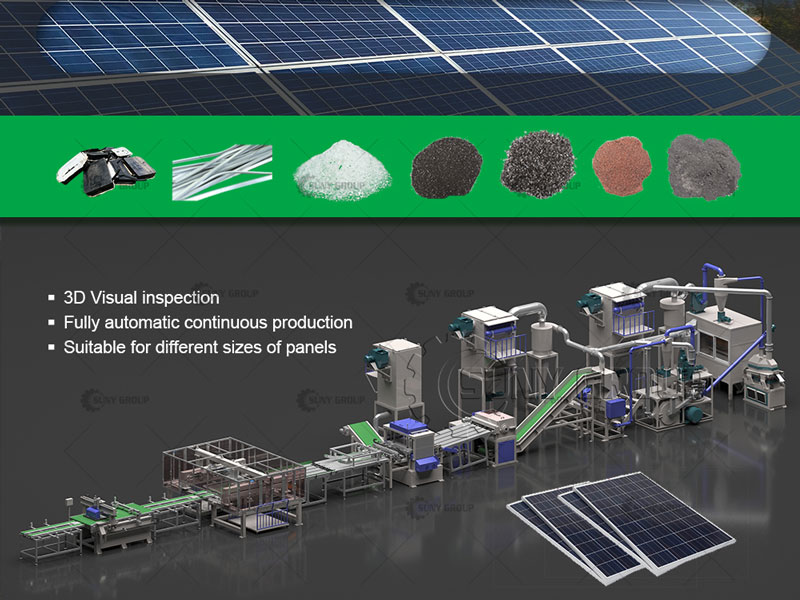
1. Growing Demand for Solar PV Recycling Machines Worldwide
With millions of solar panels approaching their end of service life, the recycling industry is becoming an essential part of the clean-energy supply chain. Countries such as Germany, Japan, the United States, India, and Australia require proper handling of PV waste, leading to increased searches for solar PV recycling machines. These machines help transform discarded panels into reusable materials, supporting a sustainable circular economy.
2. Main Functions and Features of Solar PV Recycling Machines
A high-quality recycling machine is designed to handle different types of solar modules, including mono-crystalline, poly-crystalline, thin-film, and double-glass PV panels. Core features include:
-
Automated frame removal and backsheet separation
-
High-efficiency crushing and shredding system
-
Dust-free separation with environmental filtration
-
High purity output for silicon, glass, aluminum, and copper
-
Low energy consumption and stable performance
These functions ensure that solar PV recycling machines operate continuously with minimal downtime.
3. Complete Working Process of Solar PV Recycling Equipment
A typical solar PV recycling machine follows these steps:
-
Aluminum Frame Removal – Frames are separated for recycling.
-
Junction Box and Cable Removal – Wires, diodes, and copper parts are recovered.
-
Backsheet Stripping – PET, TPT, or fluorine materials are removed.
-
Mechanical Crushing – Panels are broken into smaller pieces.
-
Thermal or Mechanical Separation – EVA is separated from the glass and silicon.
-
Material Sorting – Glass, silicon powder, metals, and plastics are sorted for reuse.
This process ensures efficient material recovery while maintaining environmental compliance.
4. Recovered Materials and Their Economic Value
A solar PV recycling machine can recover up to:
-
70–75% high-quality glass
-
6–8% aluminum
-
4–6% silicon and metal powder
-
Copper from junction boxes and cables
These materials have significant commercial value, making recycling a profitable business.
5. How to Choose the Right Solar PV Recycling Machine
Buyers should consider several factors when selecting equipment:
-
Required processing capacity (200–2000 kg/h)
-
Level of automation
-
Output purity and recovery rate
-
Dust removal and environmental systems
-
Supplier’s experience, certification, and after-sales support
-
Whether they offer turnkey installation and training
Choosing the right technology ensures stable long-term operation.
6. Advantages of Investing in Solar PV Recycling Technology
Investing in a solar PV recycling machine offers multiple benefits: reduced landfill waste, higher material recovery profit, compliance with government regulations, and strong market growth potential. As global solar installations continue to rise, recycling technology will become a core part of renewable energy development.