


Solar Panel Shredder
As the global solar industry continues to expand, the volume of end-of-life photovoltaic (PV) modules is increasing rapidly. Efficient recycling has become a priority, and the solar panel shredder plays a critical role in the solar panel recycling process.
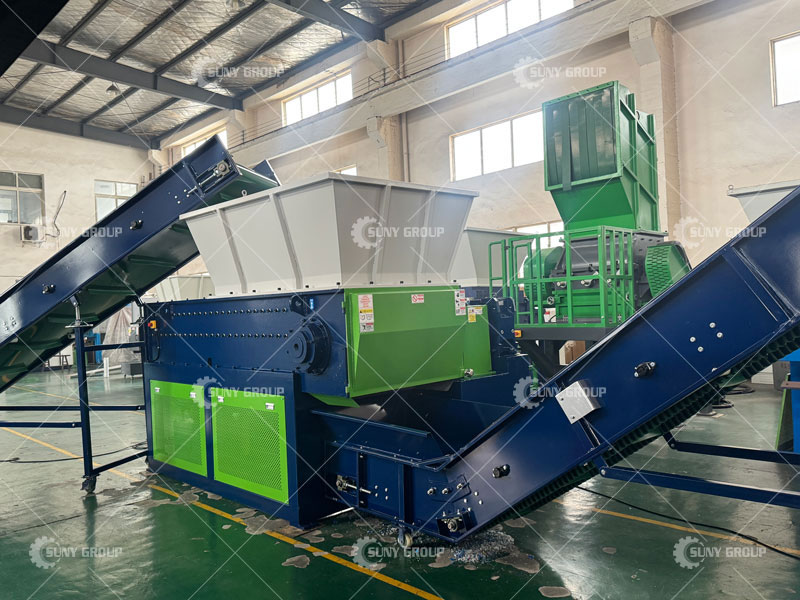
What Is a Solar Panel Shredder
Solar panel shredder is a specialized industrial shredding machine designed to break down waste solar panels into smaller, manageable pieces for further separation and recycling. Unlike general shredders, this equipment is engineered to handle the complex structure of PV modules, which typically include tempered glass, aluminum frames, EVA film, backsheet materials, and silicon cells.
Solar panel shredders usually operate at low speed and high torque, ensuring controlled cutting with minimal dust generation. They are widely used as the primary size-reduction equipment in a complete solar panel recycling line.
Capacity and Output Size Options
Solar panel shredders are available in a wide range of capacities to meet different recycling demands, from pilot projects to large-scale industrial plants.
Common capacity ranges include:
-
Small scale: 300–500 kg/h (for laboratories or testing lines)
-
Medium scale: 1–2 tons per hour
-
Industrial scale: 3–5 tons per hour or more
Output size options:
-
20–30 mm for fine downstream separation
-
30–50 mm for balanced efficiency and throughput
-
Customizable output sizes via replaceable screens or adjustable cutting systems
Choosing the right capacity and output size directly affects the efficiency of glass separation, metal recovery rate, and overall operating cost.
Advantages of Using a Dedicated Solar Panel Shredder
Using a purpose-built solar panel shredder offers significant advantages compared to standard shredding equipment:
-
High Material Compatibility
Designed specifically for mixed PV materials including glass and metal composites. -
Stable and Continuous Operation
Low-speed, high-torque design reduces wear and prevents equipment overload. -
Improved Recycling Efficiency
Uniform output size enhances downstream sorting and separation accuracy. -
Reduced Maintenance Costs
Wear-resistant alloy steel blades extend service life. -
Enhanced Safety and Environmental Performance
Enclosed structure minimizes dust and noise emissions.
These advantages make dedicated solar panel shredders essential for professional recycling plants.
How to Choose the Right Solar Panel Shredder
Selecting the right solar panel shredder requires evaluating several technical and operational factors:
-
Processing Capacity: Match machine throughput to your daily recycling volume.
-
Material Composition: Confirm compatibility with framed and frameless solar panels.
-
Blade Design and Material: Choose high-strength, wear-resistant blades for long-term use.
-
Output Size Requirements: Ensure adjustable discharge size for different recycling stages.
-
Energy Consumption: Low energy designs reduce long-term operating costs.
-
Integration Ability: Easy connection with crushers, separators, and dust collection systems.
A properly selected shredder maximizes recovery value while minimizing downtime.
Applications and End Products After Shredding
After shredding, solar panel materials can be efficiently separated and reused in multiple industries.
Main end products include:
-
Glass particles: Used in construction materials or re-melted glass products
-
Aluminum fragments: Recycled into aluminum ingots or profiles
-
Copper and metals: Recovered for electrical and industrial reuse
-
Silicon materials: Further refined for secondary semiconductor or metallurgical applications
-
Plastic residues: Utilized as alternative fuel or recycled polymer material
These applications demonstrate the economic and environmental value of solar panel shredding.
Solar panel shredder is a core machine in modern photovoltaic recycling systems. With the right capacity, optimized output size, and proper configuration, it significantly improves recycling efficiency and material recovery rates. Investing in a dedicated solar panel shredder not only supports sustainable development but also creates long-term economic benefits for recycling enterprises.