


Solar Panel Recycling Process Step by Step
As the global installation of photovoltaic systems continues to grow, the number of end-of-life solar panels is increasing rapidly. Understanding the solar panel recycling process step by step is essential for manufacturers, recycling companies, and investors looking for sustainable waste management solutions.
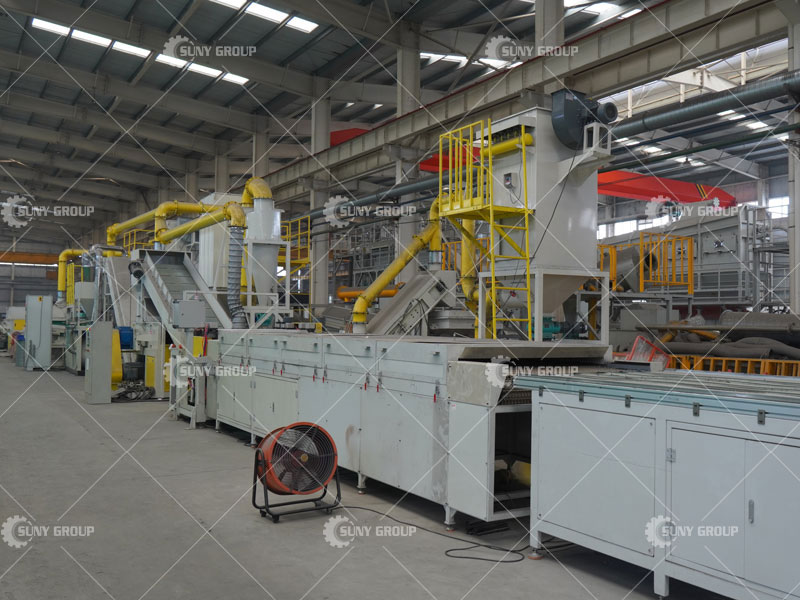
1. Collection and Transportation of End-of-Life Solar Panels
The first step in the solar panel recycling process step by step is the collection of waste solar panels. These panels usually come from decommissioned solar power plants, rooftop systems, or damaged modules.
Once collected, the solar panels are carefully transported to a recycling facility. Proper handling during transportation is important to avoid breakage and environmental contamination. Efficient logistics can significantly reduce recycling costs and improve overall operational efficiency.
2. Initial Inspection and Pre-Treatment
After arriving at the recycling plant, solar panels undergo initial inspection and pre-treatment. At this stage, panels are checked for size, type, and condition. Hazardous components, such as residual electrical parts, are identified and safely managed.
Pre-treatment may also include surface cleaning and removal of excessive dirt or debris. This step ensures smoother downstream processing and improves the efficiency of material recovery in later stages.
3. Frame and Junction Box Removal
The next step in the solar panel recycling process step by step is dismantling. Aluminum frames and junction boxes are mechanically removed from the panels. Aluminum frames are highly recyclable and can be directly sent to metal recycling streams.
Junction boxes, which contain copper wiring and small electronic components, are separated for further processing. This dismantling step increases the purity of materials and reduces the load on crushing equipment.
4. Crushing and Size Reduction Process
After dismantling, the remaining laminated panel enters the crushing stage. Specialized crushing or shredding machines break the solar panel into smaller fragments. This size reduction is essential for efficient material separation.
Crushing releases the glass, silicon cells, and encapsulation materials. Dust control systems are usually applied during this process to ensure safe and environmentally friendly operation.
5. Separation and Recovery of Valuable Materials
Material separation is a critical step in the solar panel recycling process step by step. Advanced technologies such as screening, magnetic separation, and air classification are used to separate glass, metals, and silicon.
High-purity glass can be reused in construction or glass manufacturing. Silicon materials may be refined for reuse in new photovoltaic products or other industrial applications. Copper and silver are also recovered, improving the economic value of solar panel recycling.
6. Final Output and Reuse of Recycled Materials
In the final step, recycled materials are sorted, packaged, and prepared for resale or reuse. These recovered resources are supplied to industries such as construction, electronics, metallurgy, and renewable energy manufacturing.
By following the solar panel recycling process step by step, waste solar panels are transformed into valuable secondary raw materials. This not only reduces landfill pressure but also supports a circular economy and sustainable development goals.