


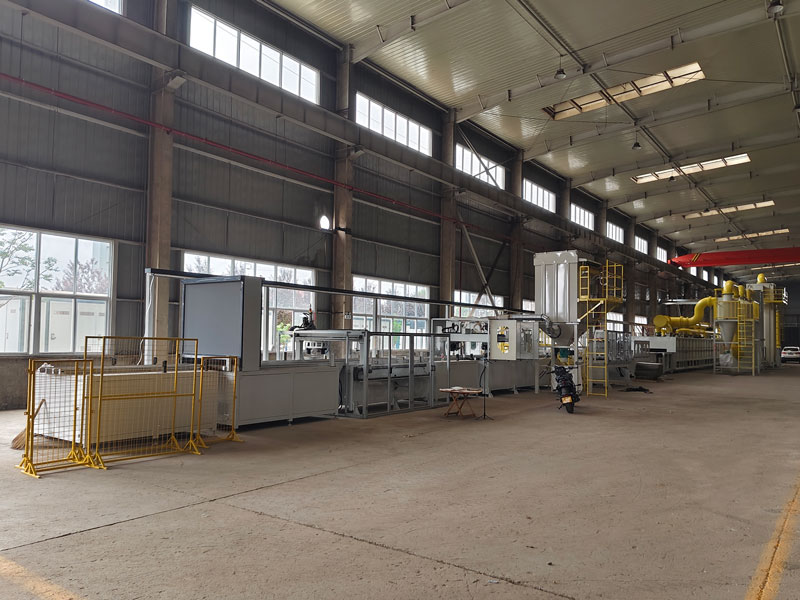
Solar Module Material Recovery Machine
As the global installation of photovoltaic systems continues to grow, end-of-life solar modules are increasing rapidly. solar module material recovery machine plays a vital role in extracting valuable materials from waste solar panels, reducing environmental impact and supporting a circular economy. Understanding which components can be recovered, how recycling is performed, and how to configure the recovery line helps recyclers maximize efficiency and profitability.
1. Recyclable Components in Solar Modules
A typical solar module contains several valuable and reusable materials. Using a solar module material recovery machine, the following components can be effectively recycled:
-
Glass: Accounts for nearly 70% of the module weight and can be reused in glass manufacturing
-
Aluminum frame: High-purity aluminum suitable for direct recycling
-
Silicon cells: Contain recoverable silicon and trace precious metals
-
Copper: Found in junction boxes and internal wiring
-
Plastic and EVA films: Can be separated for further processing or energy recovery
Recovering these components reduces waste and improves overall recycling value.
2. Solar Module Material Recovery Methods
Different recycling methods are used depending on the module type and recovery goals:
-
Mechanical recycling: Crushing, shredding, and physical separation to recover glass, aluminum, and metals
-
Thermal treatment: Heating or pyrolysis to remove EVA layers and free silicon cells
-
Combination processes: Integrating mechanical and thermal methods for higher recovery rates
A modern solar module material recovery machine often combines multiple processes to achieve efficient and environmentally compliant recycling.
3. How to Choose a Solar Module Material Recovery Machine
Selecting the right solar module material recovery machine depends on several key factors:
-
Processing capacity and throughput requirements
-
Type of solar modules (framed, frameless, thin-film)
-
Level of automation and labor availability
-
Environmental control systems such as dust collection
-
Maintenance requirements and spare parts support
Choosing a machine that matches actual operational needs ensures stable performance and long service life.
4. Typical Solar Module Recycling Line Configuration
A complete solar module recycling line usually includes:
-
Aluminum frame removal machine
-
Glass separation or crushing unit
-
Shredder or crusher for panel size reduction
-
Sorting equipment such as magnetic and air separators
-
Optional thermal treatment or pyrolysis unit
This modular configuration allows flexible adjustment based on recovery goals and budget.
5. Applications of Recovered Solar Module Materials
Materials recovered by a solar module material recovery machine have wide industrial applications:
-
Recycled glass used in construction and insulation
-
Aluminum reused in automotive and building industries
-
Copper applied in electrical and electronic manufacturing
-
Recovered silicon used in metallurgical or research applications
High-quality material recovery improves resource utilization and reduces reliance on virgin materials.
A solar module material recovery machine is essential for efficient and sustainable solar panel recycling. By identifying recyclable components, applying suitable recovery methods, and configuring the right recycling line, recyclers can maximize material value and meet environmental requirements. The recovered materials support multiple industries, making solar module recycling both economically and environmentally beneficial.
Next: