


Silicon Recovery Machine for Solar Panels
Date:2026-01-27 Categories:Blog
As global solar installations continue to grow, large volumes of end-of-life photovoltaic modules are entering the recycling stage. silicon recovery machine for solar panels is a key component in advanced PV recycling lines, enabling the recovery of high-value silicon from discarded solar modules. Understanding silicon content, economic value, recovery methods, and the form of recovered silicon helps recyclers maximize returns and sustainability.
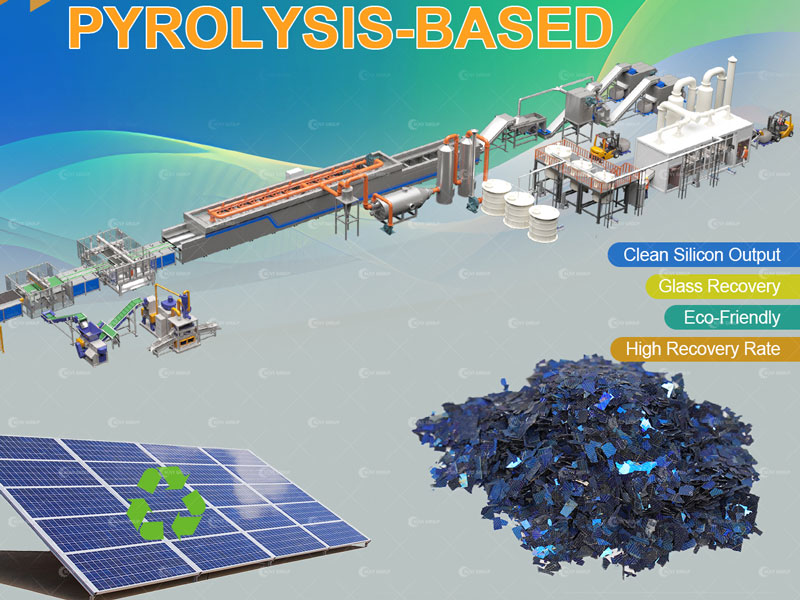
Silicon Content in Solar Panels
Most commercial solar panels are crystalline silicon solar panels, including monocrystalline and polycrystalline types. Silicon is the core semiconductor material responsible for electricity generation.
Typical material composition of a crystalline silicon solar panel includes:
-
Glass: approximately 65–75%
-
Aluminum frame: around 8–12%
-
Silicon solar cells: approximately 3–6%
-
Encapsulant and backsheet (EVA, PVF, etc.): about 10%
-
Metals (copper, silver, tin): small but valuable percentages
Although silicon represents a relatively small percentage by weight, it holds high technological and economic value, making silicon recovery an important focus.
Economic Value of Recovered Silicon
Recovered silicon from solar panels has strong economic potential, especially as raw material prices fluctuate and demand for sustainable resources increases.
Key economic advantages include:
-
High material value
Recovered silicon can be reused in photovoltaic manufacturing, lithium battery materials, and metallurgical applications. -
Cost reduction for manufacturers
Recycling silicon reduces dependence on energy-intensive silicon purification from quartz. -
Growing market demand
With the expansion of solar energy and energy storage industries, recycled silicon is increasingly attractive. -
Policy and environmental incentives
Many regions encourage PV recycling, improving the profitability of silicon recovery projects.
How Silicon Is Recovered from Solar Panels
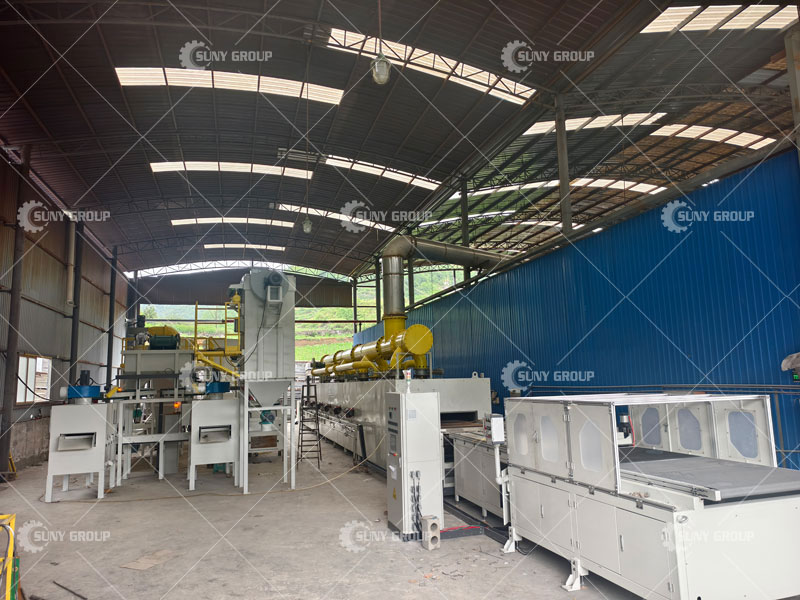
Silicon recovery machine for solar panels is usually integrated into a complete solar panel recycling line. The recovery process typically includes the following steps:
-
Frame and junction box removal
Aluminum frames and junction boxes are mechanically separated. -
Panel crushing and shredding
Solar panels are crushed to liberate glass, silicon cells, and encapsulated layers. -
Separation and classification
Techniques such as screening, air separation, and gravity separation remove glass and light materials. -
Thermal or chemical treatment
EVA and polymer layers are removed to expose silicon cells. -
Silicon purification and collection
Dedicated silicon recovery machines further separate and concentrate silicon material.
This process ensures high recovery efficiency while maintaining material quality.
Form and State of Recovered Silicon
After processing, recovered silicon may appear in different forms depending on the recycling technology used:
-
Silicon flakes or fragments after mechanical separation
-
Crushed silicon particles suitable for metallurgical reuse
-
High-purity silicon powder after advanced purification
-
Upgraded silicon feedstock for secondary PV or battery applications
The form of recovered silicon determines its downstream value and application.
Advantages of Using a Silicon Recovery Machine
Using a dedicated silicon recovery machine offers several benefits:
-
Improved silicon recovery rate
-
Stable and automated operation
-
Reduced manual labor and processing costs
-
Compatibility with large-scale solar panel recycling plants
Silicon recovery machine for solar panels plays a vital role in unlocking the hidden value of end-of-life photovoltaic modules. Despite its modest weight percentage, silicon offers significant economic and strategic value. Through efficient recovery processes, recyclers can obtain reusable silicon materials, support circular economy goals, and enhance the profitability of solar panel recycling operations.