


PV Panel Recycling Machine Cost
1. Factors Influencing PV Panel Recycling Machine Cost
The PV panel recycling machine cost varies widely depending on several technical and commercial factors. Key influences include machine configuration, processing technology, and material recovery efficiency. Advanced separation systems designed for glass, aluminum frames, silicon cells, and EVA layers typically increase initial investment but improve overall recycling value.
Other cost factors include safety systems for handling hazardous materials, dust collection units, and compliance with environmental regulations. Manufacturers offering customized solutions usually price equipment higher than standard models, but customization often improves operational efficiency.
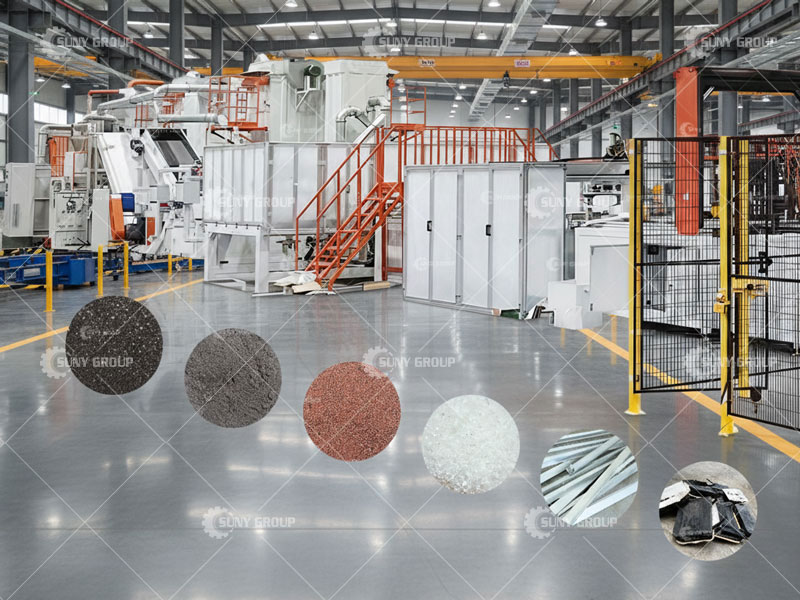
2. Different Types of PV Panel Recycling Machines and Prices
PV panel recycling equipment is available in multiple types, each with a different cost range:
-
Semi-automatic recycling machines
Suitable for small recycling facilities with lower investment requirements. -
Fully automatic PV panel recycling lines
Designed for industrial-scale operations, offering higher efficiency and stable output. -
Integrated recycling plants
Combine dismantling, crushing, separation, and sorting in one system, resulting in higher overall costs.
The more comprehensive the recycling process, the higher the PV panel recycling machine cost, but also the greater the material recovery rate.
3. Capacity and Automation Level Impact on Cost
Processing capacity is a major pricing determinant. Machines handling higher tonnage per hour require stronger structures, powerful motors, and advanced control systems. As a result, large-capacity machines command higher prices.
Automation level also plays a critical role. PLC-controlled systems with intelligent monitoring reduce labor costs and improve safety, but they increase upfront expenses. For long-term operations, automated systems often provide better cost performance despite higher initial investment.
4. Operating, Maintenance, and Long-Term Expenses
Beyond purchase price, PV panel recycling machine cost includes operational and maintenance expenses. Energy consumption, wear parts replacement, and labor requirements must be considered.
High-quality machines built with durable components reduce downtime and maintenance frequency. Efficient designs also minimize power consumption, helping operators control long-term operating costs and improve overall profitability.
5. ROI Analysis and Economic Benefits
Evaluating return on investment is essential when analyzing PV panel recycling machine cost. Recovered materials such as aluminum frames, glass, copper, and silicon have strong market value.
With growing global demand for photovoltaic recycling, recycling plants can achieve stable revenue streams. Machines with higher recovery purity and lower loss rates generally offer faster payback periods, making them more attractive for commercial recycling projects.
6. How to Choose a Cost-Effective PV Panel Recycling Machine
Selecting the right equipment requires balancing cost, performance, and future scalability. Buyers should consider:
-
Local recycling volume and material composition
-
Required automation level
-
Environmental compliance standards
-
Manufacturer reputation and after-sales support
A cost-effective solution is not always the cheapest option. Instead, the best PV panel recycling machine cost delivers reliable operation, high recovery efficiency, and sustainable long-term returns.
Understanding PV panel recycling machine cost involves more than comparing prices. By analyzing equipment type, capacity, operating expenses, and return potential, investors can choose a recycling solution that meets both environmental and economic goals. A well-selected PV panel recycling machine ensures efficient resource recovery and long-term profitability in the growing solar recycling industry.