


How to Recycle Old Solar Panels
With the rapid growth of solar energy worldwide, a large number of photovoltaic modules are reaching the end of their service life. Understanding how to recycle old solar panels is becoming increasingly important for governments, recycling companies, and solar system owners seeking sustainable waste management solutions.
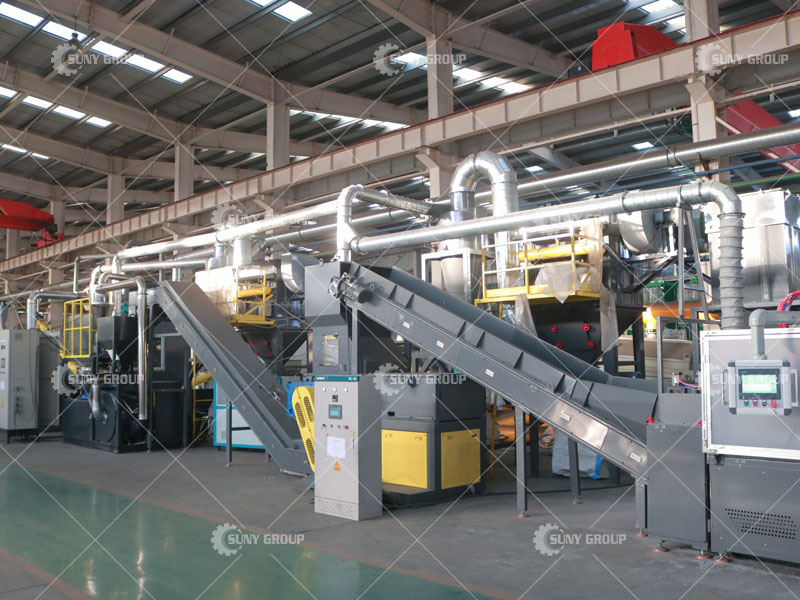
1. Why Recycling Old Solar Panels Is Important
Recycling old solar panels helps reduce environmental pollution and conserve valuable resources. Solar panels contain recyclable materials such as glass, aluminum, silicon, copper, and small amounts of precious metals. If disposed of improperly, old panels can occupy landfill space and pose potential environmental risks.
Learning how to recycle old solar panels supports the circular economy by turning waste into reusable raw materials while reducing the demand for virgin resources.
2. Types of Old Solar Panels Suitable for Recycling
Most end-of-life solar panels can be recycled, including monocrystalline, polycrystalline, and thin-film panels. Although their internal structures differ, the recycling principles are similar.
Damaged panels, outdated modules, and panels removed during system upgrades are all suitable for recycling. Identifying panel type before recycling helps optimize the process and improves material recovery efficiency.
3. Preparation Before Recycling Old Solar Panels
Proper preparation is a key step in understanding how to recycle old solar panels efficiently. First, panels should be safely removed from rooftops or solar farms by trained personnel. Electrical connections must be disconnected to eliminate safety risks.
After removal, panels are sorted by type and condition. Excess dirt, mounting hardware, and external cables are removed to ensure smooth processing at the recycling facility.
4. Step-by-Step Process to Recycle Old Solar Panels
The recycling process begins with dismantling. Aluminum frames and junction boxes are mechanically separated and sent to metal recycling streams.
Next, the laminated panel is crushed or shredded into smaller pieces. This size reduction allows different materials to be released. Advanced separation technologies are then applied to isolate glass, metals, and silicon.
This step-by-step approach demonstrates how to recycle old solar panels in an efficient and industrially scalable way.
5. Materials Recovered from Old Solar Panels
One of the main advantages of solar panel recycling is the recovery of valuable materials. Glass accounts for the largest percentage and can be reused in construction or glass manufacturing.
Aluminum frames are highly recyclable and have strong market demand. Silicon cells can be refined and reused, while copper and silver are recovered for use in electrical and electronic industries.
6. Benefits and Challenges of Solar Panel Recycling
Recycling old solar panels reduces waste, lowers carbon emissions, and creates economic value from discarded equipment. It also supports renewable energy sustainability by closing the material loop.
However, challenges such as recycling costs, logistics, and technology selection still exist. Investing in efficient recycling equipment and optimized processes is essential to overcome these barriers and maximize recycling efficiency.