


How to Recycle Old Photovoltaic Panels
As the use of solar energy grows, so does the need for effective photovoltaic (PV) panel recycling. Old or damaged solar panels can contain valuable materials like silicon, metals, and glass, which can be reused to manufacture new panels or other products. Recycling photovoltaic panels not only helps conserve resources but also reduces environmental impact. Here’s a step-by-step guide on how to recycle old photovoltaic panels, ensuring sustainability and efficiency in the process.
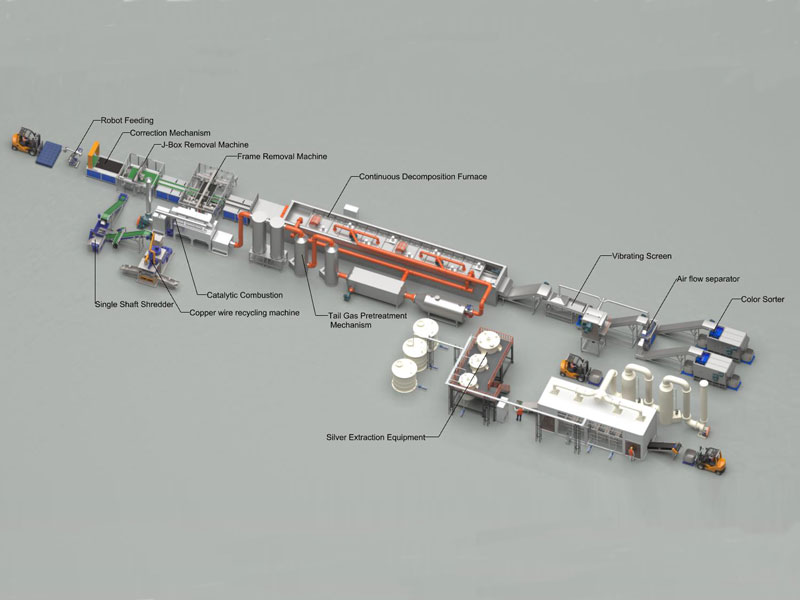
1. Initial Collection and Sorting
The first step in the recycling process is the collection of old photovoltaic panels. These panels are often collected from various sources, such as commercial installations, residential systems, or large-scale solar farms. Once collected, the panels are sorted based on their type—whether they are monocrystalline, polycrystalline, or thin-film. Sorting helps to streamline the recycling process and ensures that each type of panel is processed according to its specific material composition.
2. Pre-Treatment and Safety Measures
Handling photovoltaic panels requires careful attention to safety due to potentially hazardous materials inside, especially in thin-film solar panels that may contain cadmium or other toxic substances. Pre-treatment involves removing any external components, such as junction boxes, wires, and mounting systems. Safety protocols must be followed to ensure that workers are protected from harmful materials during the recycling process. Protective gear, proper ventilation, and controlled environments are essential.
3. Panel Disassembly
Once the panels are sorted and pre-treated, the next step is disassembly. Aluminum frames are removed, as they are easily recyclable and can be reused in the production of new frames. The glass covering the panel is separated from the internal components, and junction boxes are removed to recover any metal wiring or connectors. This step is crucial for isolating the different materials and preparing them for further processing.
4. Glass Recycling
The glass used in photovoltaic panels accounts for a significant portion of the panel’s volume. After disassembly, the glass is cleaned and shredded to remove any residues of silicon or metal. The clean glass can be reused in the manufacturing of new solar panels or repurposed for other applications such as construction materials, insulation, or fiberglass. Glass recycling reduces the need for new raw materials, contributing to sustainability.
5. Silicon Recovery
One of the most valuable materials in a photovoltaic panel is silicon. This material is used to create the solar cells that capture sunlight. After the panel is dismantled, the silicon wafers are carefully extracted. These silicon wafers can be purified and reused in the production of new photovoltaic cells, making this an essential part of the recycling process. By recovering silicon, the solar industry can reduce its reliance on virgin materials, promoting a more circular economy.
6. Metal Separation and Recycling
Photovoltaic panels also contain valuable metals such as silver, copper, and aluminum. These metals are extracted from the panel’s internal wiring, connectors, and other components. Using advanced technologies such as mechanical shredding and magnetic separation, these metals are separated from non-metallic materials. Once recovered, these metals can be recycled and repurposed in the production of new solar panels or used in other industries, reducing the need for mining and preserving resources.
7. Chemical Treatment and Processing
Some components of photovoltaic panels, such as cadmium in thin-film solar panels, require special attention. Chemical treatment processes, including pyrolysis and chemical leaching, are used to safely neutralize or dispose of toxic substances. Pyrolysis involves heating materials to break them down, while chemical leaching uses chemicals to extract valuable metals while safely handling harmful by-products. This step ensures that harmful materials are disposed of in an environmentally responsible manner.
8. Reuse of Recovered Materials
The final step in the recycling process is the reuse of recovered materials. The recycled glass, silicon, metals, and plastic are used to create new products, including new photovoltaic panels. By incorporating these materials back into the production cycle, the industry reduces its environmental footprint and reliance on raw materials. This contributes to a more sustainable and efficient solar energy ecosystem.
Conclusion
Recycling old photovoltaic panels is an essential step toward a sustainable future. By following these steps—collection, sorting, disassembly, glass recycling, silicon recovery, metal separation, chemical processing, and reuse of recovered materials—the solar industry can significantly reduce waste and promote the circular economy. Effective photovoltaic panel recycling ensures that valuable materials are reused, contributing to a greener, more sustainable world while supporting the continued growth of renewable energy.