


Complete Line for Solar Panel Recycling
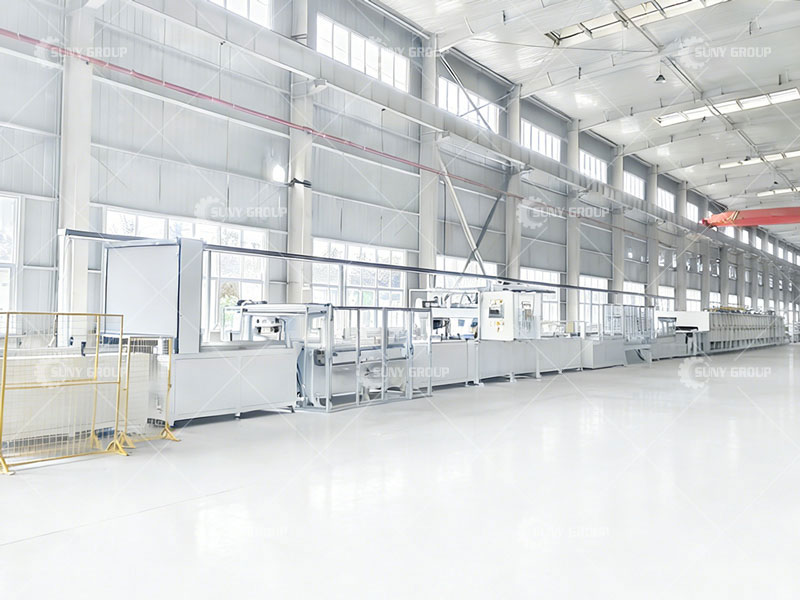
Complete line for solar panel recycling has become a critical solution as the global solar industry continues to expand at an unprecedented pace. With large-scale photovoltaic (PV) installations reaching the end of their service life, the number of waste solar panels is increasing rapidly. Establishing an efficient and automated solar panel recycling line is now essential for environmental protection, resource recovery, and sustainable energy development.
1. Why the Number of Waste Solar Panels Is Increasing
The rapid growth of waste photovoltaic panels is driven by several key factors:
-
Early solar panels installed between 2005 and 2015 are now reaching their 25–30 year lifespan
-
Large utility-scale solar farms are being upgraded with higher-efficiency modules
-
Government incentives accelerate solar deployment, increasing future end-of-life volumes
-
Damaged panels from hail, storms, and transportation losses
As a result, millions of tons of solar panel waste are expected globally over the next decade, creating an urgent demand for complete solar panel recycling lines.
2. Why Solar Panel Recycling Is Necessary
Recycling photovoltaic panels is important for both environmental and economic reasons:
-
Prevents landfill pollution from glass, plastics, and hazardous substances
-
Reduces dependence on raw material mining
-
Supports circular economy development in the renewable energy sector
-
Recovers valuable metals that can be reused in manufacturing
Without proper recycling, discarded solar panels may pose long-term environmental risks while wasting high-value resources.
3. Recyclable Materials in Photovoltaic Panels
A complete line for solar panel recycling is designed to recover multiple valuable materials, including:
-
Glass (65–75%) – tempered glass used for new panels or construction materials
-
Aluminum Frame (10–15%) – recycled into aluminum profiles and industrial products
-
Silicon Cells (3–5%) – reused for metallurgical or solar-grade silicon processing
-
Copper and Silver – extracted from junction boxes and conductive ribbons
-
Plastics (EVA & Backsheet) – converted into fuel or secondary plastic products
These materials provide strong economic incentives for solar panel recycling plants.
4. Complete Solar Panel Recycling Line Configuration
A modern complete solar panel recycling line typically includes the following equipment:
-
Aluminum Frame Removal Machine – separates the aluminum frame quickly and safely
-
Junction Box Removal System – extracts copper cables and electrical components
-
Solar Panel Crusher or Shredder – reduces panel size for downstream separation
-
Hammer Mill or Fine Crusher – liberates glass from silicon and plastic layers
-
Air Separator & Vibrating Screen – separates glass, plastics, and light materials
-
Magnetic & Eddy Current Separator – recovers steel and non-ferrous metals
-
Dust Collection System – ensures clean and environmentally safe operation
This automated configuration ensures stable operation, high throughput, and minimal labor requirements.
5. Recycling Technology and Processing Flow
Current recycling technology mainly uses mechanical and physical separation methods:
-
Crushing and grinding to release composite materials
-
Density-based and airflow separation
-
Magnetic and eddy current separation for metals
Advanced recycling lines may integrate thermal or chemical processes to increase silicon and silver recovery, improving overall recycling efficiency.
6. Uses of Recycled Solar Panel Materials and Recycling Rate
Recycled materials are widely reused across industries:
-
Glass for insulation materials, tiles, and new PV modules
-
Aluminum for construction, automotive, and machinery manufacturing
-
Silicon for industrial silicon products
-
Copper and silver for electrical and electronic industries
A well-designed complete line for solar panel recycling can achieve a recycling rate of 90–95%, making solar panel recycling both environmentally responsible and economically viable.
With the continuous growth of solar energy installations, the demand for a complete line for solar panel recycling is rising rapidly. By efficiently recovering valuable materials and reducing environmental impact, solar panel recycling lines play a key role in the sustainable development of the global photovoltaic industry.
Next: